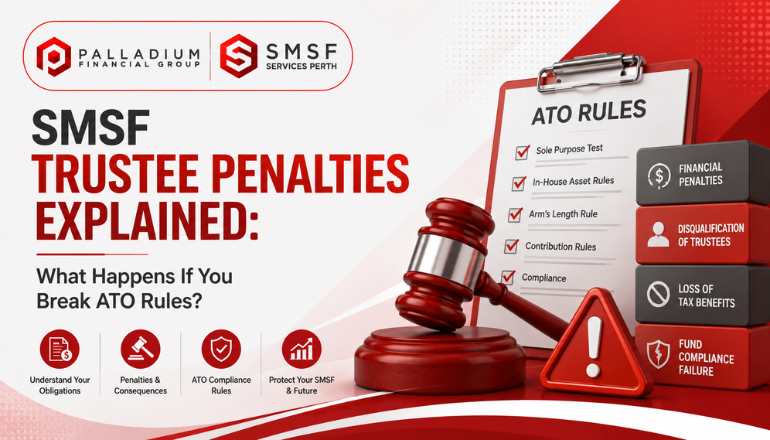
Running your own SMSF sounds simple in the beginning. You get more control over investments, flexibility with retirement planning, and the freedom to make your own financial decisions. But what many trustees don’t realise is that an SMSF also comes with strict legal responsibilities.
The ATO expects trustees to follow superannuation rules properly, maintain records, lodge returns on time, and make decisions that benefit the fund – not themselves personally. When those rules are ignored, even by mistake, penalties can apply.
The reality is that many SMSF breaches are not intentional. Some trustees simply misunderstand the rules, rely on poor advice, or try handling everything alone. Still, the ATO can issue fines, compliance directions, or even disqualify trustees in serious cases.
In this guide, we’ll explain how smsf trustee penalties work, the mistakes that commonly trigger ATO action, and how trustees can reduce the risk of compliance problems in 2026.
What Are SMSF Trustee Penalties in Australia?
SMSF trustee penalties are financial penalties or enforcement actions issued when trustees fail to follow superannuation laws.
Because an SMSF is self-managed, trustees are personally responsible for making sure the fund operates correctly. Unlike industry or retail super funds, there’s no large institution managing compliance behind the scenes.
The ATO may take action if trustees:
- Access super early without meeting conditions
- Fail to keep records properly
- Lodge annual returns late
- Breach investment rules
- Use fund money personally
- Ignore audit obligations
Over the past few years, the ATO has increased its focus on SMSFs, especially where trustees are involved in risky investments or poor recordkeeping.
That’s one reason many trustees choose to work with professional smsf accountants instead of trying to manage everything alone.
Why Does the ATO Penalise SMSF Trustees?
SMSFs receive tax concessions that are designed to help Australians save for retirement. Because of those benefits, trustees are expected to follow strict legal rules.
The ATO usually steps in when trustees:
- Ignore compliance obligations
- Use the fund incorrectly
- Fail to lodge reports
- Put personal interests ahead of the fund
In many situations, the problem starts small. A trustee might accidentally mix personal expenses with SMSF money or misunderstand an investment rule. Over time, those small mistakes can turn into larger compliance issues.
Some of the most common breaches include:
- Lending money to family members
- Purchasing prohibited assets
- Missing lodgement deadlines
- Accessing super before retirement eligibility
A lot of trustees only realise the complexity of SMSF rules after speaking with experienced self managed super fund accountants.
Common SMSF Mistakes That Trigger ATO Penalties
Some compliance mistakes appear repeatedly across Australian SMSFs.
- Accessing Super Too Early: This is one of the most serious breaches. SMSF money generally cannot be used before meeting legal conditions of release.
- Poor Recordkeeping: Missing invoices, investment documents, or meeting minutes can quickly become a problem during audits.
- Using SMSF Assets Personally: Trustees sometimes assume they can personally use assets owned by the fund, but strict rules apply here.
- Late Lodgements: Annual returns and audits must be lodged on time. Repeated delays can attract ATO attention.
- Related-Party Transactions: Loans or investments involving relatives often create compliance risks if not handled properly.
Many issues linked to Common SMSF Compliance Mistakes happen because trustees rely on assumptions instead of professional guidance.
What Happens If an SMSF Becomes Non-Complying?
If an SMSF becomes non-complying, the financial consequences can be serious.
The fund may:
- Lose tax concessions
- Pay significantly higher tax
- Face ongoing compliance monitoring
- Put trustees at risk of disqualification
This doesn’t happen for every minor mistake. Usually, the ATO reserves stronger action for repeated or serious breaches.
When reviewing a case, the ATO generally looks at:
- How severe the breach was
- Whether trustees cooperated
- Whether the issue was corrected quickly
- Previous compliance history
Trustees who act early and fix problems usually have a better chance of avoiding major consequences.
How Much Are SMSF Trustee Penalties in 2026?
SMSF penalties vary depending on the type of breach.
Some fines are relatively small, while others can become expensive very quickly – especially when multiple trustees are involved.
Trustees may face penalties for:
- Failing to maintain records
- Missing deadlines
- Not preparing financial statements
- Ignoring trustee responsibilities
- Breaching superannuation rules
The important thing to understand is that many penalties are issued personally. In most cases, the SMSF itself cannot pay the fine on behalf of trustees.
Staying updated with current smsf compliance updates is important because enforcement priorities and penalty amounts can change over time.
Can SMSF Trustees Be Personally Fined?
Yes, and this surprises many first-time trustees.
If a compliance breach occurs, each trustee may receive an individual penalty depending on the situation.
For example:
- Two trustees may both receive separate fines
- Penalties usually must be paid personally
- SMSF money generally cannot be used to pay them
This is one reason trustees need to fully understand the responsibilities involved in managing a self managed superannuation fund before making financial decisions.
ATO Rectification Directions Explained
The ATO doesn’t always jump straight to harsh penalties. In some cases, trustees are given the opportunity to fix compliance issues first.
This is called a rectification direction.
A rectification direction may require trustees to:
- Correct the breach
- Improve recordkeeping
- Sell prohibited assets
- Update fund procedures
Trustees are normally given a deadline to complete these actions.
The ATO may also require trustees to complete education courses so they better understand their obligations moving forward.
Can SMSF Penalties Be Reduced or Waived?
Sometimes they can.
The ATO may consider reducing penalties if:
- Trustees voluntarily disclose the issue
- The mistake was unintentional
- The breach is corrected quickly
- Trustees cooperate during reviews
However, more serious breaches are treated differently. Cases involving fraud or illegal access to super are usually taken very seriously.
Situations connected to Early Superannuation Withdrawal Risks often receive closer scrutiny because they directly affect retirement savings.
In many cases, acting early makes a major difference.
How to Avoid SMSF Trustee Penalties
Most SMSF penalties are preventable.
- Keep Good Records: Store invoices, financial statements, investment reports, and meeting minutes properly.
- Understand Trustee Responsibilities: Every trustee should understand the basic rules before making investment or financial decisions.
- Lodge Documents on Time: Late lodgements often create unnecessary problems.
- Separate Personal and SMSF Money: Mixing personal and fund finances is one of the quickest ways to create compliance issues.
- Seek Professional Advice: Many trustees use smsf compliance advice perth services to help reduce risks and stay organised.
Reliable smsf management services in perth can also help trustees keep up with deadlines, reporting, and ongoing compliance requirements.
When Should You Speak to an SMSF Accountant?
A lot of trustees wait until they receive an ATO letter before asking for help. By that stage, the problem is often harder to fix.
You should consider professional advice if:
- You’re unsure about investment rules
- Your fund owns property
- Returns are overdue
- Multiple family members are involved
- You receive ATO notices
- Retirement planning becomes more complicated
Many trustees also seek guidance around smsf estate planning to make sure their retirement assets are handled properly in the future.
Getting advice early is usually cheaper and less stressful than fixing major compliance problems later.
Final Thoughts
Managing your own SMSF comes with flexibility, but it also means taking responsibility for compliance seriously. Many trustees underestimate how detailed SMSF rules can be until they receive an ATO warning or penalty notice.
The good news is that most smsf trustee penalties are avoidable. Staying organised, understanding your obligations, and seeking professional advice when needed can help prevent small mistakes from turning into expensive problems.
Whether you’re running a newly established fund or have managed an SMSF for years, staying proactive with compliance is one of the smartest ways to protect your retirement savings long term.
Frequently Asked Questions
Q.1 Can an SMSF trustee go to jail?
In serious cases involving fraud or illegal activity, legal action may occur. Most SMSF breaches, however, lead to penalties or compliance action rather than imprisonment.
Q.2 Who pays SMSF penalties?
Trustees usually pay penalties personally. SMSF funds generally cannot be used to pay trustee fines.
Q.3 Can the ATO disqualify SMSF trustees?
Yes. Trustees who repeatedly break superannuation laws or fail to manage the fund responsibly may be disqualified.
Q.4 What is the most common SMSF compliance breach?
Poor recordkeeping, late lodgements, and illegal early access to super are among the most common issues.
Q.5 Can an SMSF recover after penalties?
In many situations, yes. Trustees who fix problems early and cooperate with the ATO can often restore compliance and continue operating the fund.